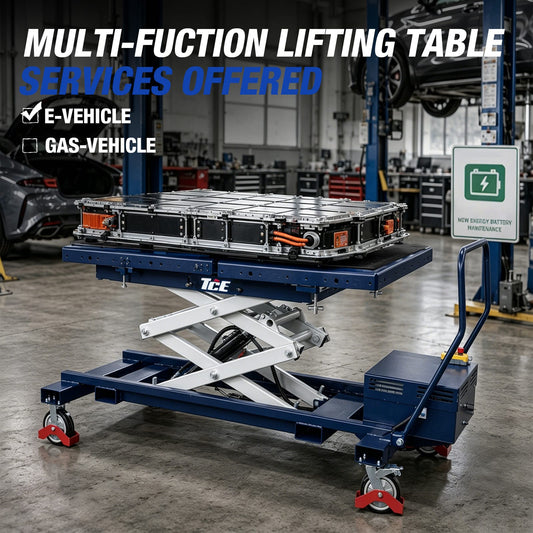
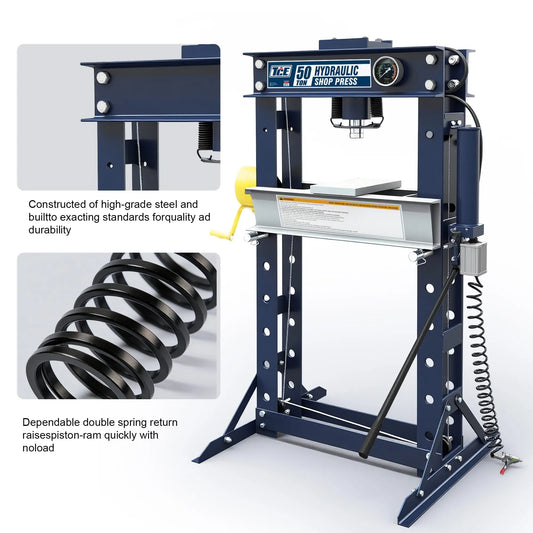
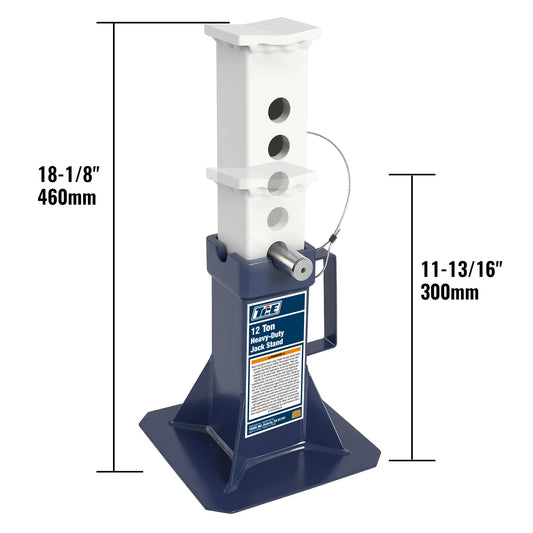
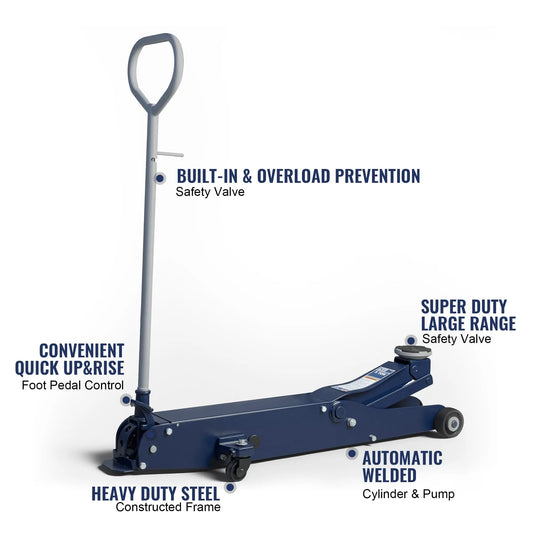
Recognizable by its signature blue finish, TCE is purpose-built for professional automotive technicians and commercial repair facilities. Every product is engineered with precision, delivering the strength, reliability, and safety required in demanding service environments. TCE stands for Torin Commercial Equipment — a name that reflects our commitment to industrial-grade
Commercial auto repair shops, fleet maintenance facilities, and service workshop networks face a constant operational challenge: securing heavy-duty, long-lasting storage infrastructure without absorbing excessive middleman fees.
Heavy-duty wall-mounted garage storage transforms cluttered workshops, professional service bays, and home garages into safe, efficient work environments. However, mounting heavy steel garage wall cabinets requires precise structural planning, correct fastener selection, and strict safety procedures. Whether mounting onto standard 16-inch wood stud framing or poured solid concrete walls, understanding load ratings and structural anchoring prevents dangerous cabinet detachments and protects valuable automotive tools.
This comprehensive guide covers load rating calculations, essential tools, step-by-step mounting methods for wood studs and solid masonry, and a structural safety checklist designed specifically for DIY installers, shop outfitters, and mechanics.
Understanding Load Ratings and Weight Calculation Guidelines
Before driving a single fastener, installers must evaluate total cabinet weight capacity. Wall-mounted storage systems carry two distinct types of load:
Static Load: The combined weight of the empty cabinet plus stored items at rest (such as hand tools, fluids, and hardware containers).
Dynamic Load: Temporary additional force applied when opening drawers, retrieving heavy equipment, or slamming doors shut. Dynamic forces can momentarily increase effective downward strain by 25% to 40%.
How to Calculate Safe Wall Load Limits
To determine whether your wall structure and mounting hardware can support heavy-duty steel garage wall cabinets, apply the following steps:
Step 1: Determine Cabinet Tare Weight. Check the manufacturer specification plate. Industrial steel wall cabinets typically weigh between 40 lbs and 75 lbs empty, depending on gauge thickness and internal shelving.
Step 2: Estimate Maximum Storage Content. Weigh or estimate the maximum weight of stored items. Heavy fluid containers, iron sockets, and power tools quickly accumulate 100 to 150 lbs of content.
Step 3: Apply the 1.5x Structural Safety Factor. Multiply the total estimated weight (Cabinet + Contents) by 1.5 to account for dynamic forces and potential weight distribution imbalances across shelf units.
$$\text{Total Required Anchor Capacity} = (\text{Cabinet Weight} + \text{Max Content Weight}) \times 1.5$$
For example, a cabinet weighing 60 lbs loaded with 140 lbs of gear has a combined static load of 200 lbs. Applying the 1.5 safety margin requires a total mounting assembly capable of reliably supporting at least 300 lbs across all anchor points.
Required Tools and Equipment List
Proper preparation requires gathering specialized tools before beginning alignment and drilling steps.
Core Measuring and Alignment Tools
Stud Finder: Electronic edge-to-edge or magnetic stud finder capable of detecting deep wood framing.
Spirit Level: 24-inch or 48-inch bubble level (or self-leveling cross-line laser) to establish true horizontal lines.
Tape Measure and Marking Pencil: Precision measuring tape and clear carpenters pencil for layouts.
Drilling and Fastening Tools
Cordless Drill/Driver: Variable speed drill for driving lag screws into wood framing.
Hammer Drill / Rotary Hammer: Necessary for drilling into solid concrete or masonry walls.
Masonry Drill Bits: Carbide-tipped masonry bits matching the exact anchor diameter.
Wood Drill Bits: Standard twist bits for drilling pilot holes into wood studs.
Socket Wrench Set: Hex socket set for tightening lag screws and concrete anchors securely without stripping screw heads.
Safety and Personal Protective Equipment (PPE)
Safety Glasses: Impact-resistant eye protection.
Dust Mask / Respirator: N95 mask to prevent dust inhalation during concrete drilling.
Work Gloves: Cut-resistant gloves for handling sheet metal and heavy brackets.
Step-by-Step Installation: Anchoring into Wood Stud Framing
Wood stud framing is the standard wall structure in most residential garages. Securing steel garage wall cabinet brackets into the structural center of wood studs delivers exceptional shear and tensile strength.
Step 1: Locate and Mark Stud Centers
Pass an electronic stud finder across the intended mounting zone to locate the outer edges of adjacent wood studs (typically spaced 16 inches or 24 inches on center).
Mark the exact center line of each stud.
Probe with a thin finish nail or small pilot bit to verify solid wood across the full width of the stud center. Never rely on drywall alone.
Step 2: Establish the Cabinet Baseline Level
Measure up from the floor or workbench surface to establish desired lower cabinet height.
Draw a straight reference baseline using a 48-inch spirit level or laser level.
Align the cabinet heavy-duty wall bracket or mounting ledger plate along the baseline and mark anchor hole locations directly over stud centerlines.
Step 3: Drill Pilot Holes
Drill pilot holes into wood stud centers using a wood drill bit sized slightly smaller than the root diameter of your lag screws (typically a 3/16-inch pilot bit for a 5/16-inch lag screw).
Drill to a depth equal to the lag screw length to prevent wood splitting while ensuring maximum thread engagement.
Step 4: Mount Brackets and Secure Cabinet
Position the heavy-duty mounting bracket against the wall.
Insert 5/16-inch x 3-inch zinc-plated steel lag washer-head screws with flat washers through the bracket into pilot holes.
Tighten fasteners using a socket wrench until snug against the bracket. Do not over-torque, as over-tightening can strip the internal wood fibers.
Lift the steel wall cabinet onto the secured mounting bracket, verify level across top and side edges, and install internal safety locking screws through the cabinet back wall into studs.
Step-by-Step Installation: Anchoring into Solid Concrete and Masonry
Poured concrete, solid concrete block (CMU), or brick walls provide superior load-bearing capacity when fitted with concrete mechanical expansion anchors or heavy-duty masonry screws.
Step 1: Layout and Hole Preparation
Hold the cabinet mounting bracket or ledger line at the desired height against the concrete wall and verify level with a spirit level.
Mark hole positions onto the concrete surface using a carpenter pencil or center punch.
Step 2: Drill Anchor Holes into Concrete
Attach a carbide-tipped masonry drill bit to a hammer drill or rotary hammer. Match bit diameter exactly to anchor manufacturer specifications (e.g., a 3/8-inch masonry bit for 3/8-inch concrete sleeve anchors).
Set the drill depth stop to 1/2-inch deeper than the overall anchor embedment depth.
Drill perpendicular to the wall. Blow out masonry dust from holes using compressed air or a hand squeeze bulb; dust remaining inside holes reduces anchor hold strength significantly.
Step 3: Insert Concrete Anchors and Mount Brackets
Insert concrete sleeve anchors or wedge anchors into drilled holes. Tap gently with a rubber mallet until anchor sleeves sit flush with the masonry surface.
Position the cabinet mounting bracket over exposed anchor threads.
Thread washers and hex nuts onto anchor studs, then torque nuts to manufacturer specifications using a calibrated socket wrench.
Step 4: Hang Cabinet and Engage Lock Pins
Carefully hang the steel garage wall cabinet onto the mounting bracket.
Fasten secondary interior concrete screws through rear cabinet retention holes to ensure complete stability under vibration or sudden impact.
Structural Safety Checklist
Before loading steel garage wall cabinets with tools or machinery accessories, complete this mandatory safety audit:
Inspection Point
Requirement / Standard
Status
Stud Center Verification
Fasteners hit structural center of wood framing (min. 1.5 in depth into solid wood).
[ ] Pass
Masonry Anchor Embedment
Expansion anchors embedded full length into solid concrete; dust cleaned completely.
[ ] Pass
Horizontal & Vertical Level
Cabinet top and front edges verified square with spirit level within 1/16 inch.
[ ] Pass
Hardware Integrity
High-tensile steel lag screws or grade-5 bolts used with heavy flat washers.
[ ] Pass
Load Calculation Review
Total load (Cabinet + Contents x 1.5) remains below rated bracket capacity.
[ ] Pass
Secondary Lock Engagement
Interior safety retention screws tightened to prevent accidental bracket lift-off.
[ ] Pass
Heavy-Duty Engineering: Why TCE Steel Cabinets Lead Industrial Storage
When mounting storage units above active workbenches or vehicle bays, hardware structural integrity is paramount. TCE manufactures industrial-grade steel garage wall cabinets engineered specifically for demanding automotive workshops and residential service setups.
Features of TCE wall-mounted storage solutions include:
Heavy-Gauge Welded Steel Construction: Rigid steel bodies resist torsional twisting and maintain door alignment under heavy content loads.
Precision Engineered Bracket Systems: High-strength wall brackets distribute cabinet weight evenly across multiple studs or masonry anchors, eliminating single-point stress concentration.
Safety Rated Load Capacities: Built with strict safety factors to withstand shop vibration, drawer impacts, and full load limits over long service lifespans.
Selecting industrial-grade steel storage provides peace of mind, knowing your tools, diagnostic equipment, and supplies are stored safely and securely.
FAQ
How much weight can a wall-mounted steel garage cabinet hold?
Weight capacity varies by manufacturer and mounting surface, but industrial steel wall cabinets typically support between 150 lbs and 300 lbs when properly anchored into wood studs or solid concrete. Always calculate your combined cabinet and content load, applying a 1.5x safety factor to prevent overload.
Can I mount steel garage wall cabinets directly onto drywall without studs?
No. Drywall, hollow wall anchors, and toggle bolts should never be used to mount heavy steel garage cabinets. Drywall lacks the shear and pull-out strength required to support heavy cabinets, leading to structural failure. Cabinets must be secured directly into wood wall studs or solid masonry.
What size lag screws should I use for wood stud cabinet mounting?
Use 5/16-inch diameter by 3-inch long zinc-plated steel lag screws accompanied by broad flat washers. Ensure screws penetrate at least 1.5 to 2 inches into solid wood stud centers after accounting for drywall thickness and bracket width.
How do I mount cabinets if my garage studs do not match cabinet holes?
If wall stud spacing does not align with factory cabinet pre-drilled holes, mount a 3/4-inch plywood backer board or steel ledger strip across wall studs first. Secure the ledger board into studs with lag screws, then anchor your cabinet brackets directly into the ledger board.
Commercial auto repair bays operate under intense physical and chemical stress. Every day, heavy equipment, floor jacks, impact wrenches, battery acid, brake cleaner, and heavy engine components move through these active workspaces. In such demanding environments, choosing the right garage storage cabinets is not merely an organizational decision—it is a critical investment in shop productivity, safety, and long-term cost control. While wood and plastic storage systems are widely available in retail home improvement stores, professional shop owners consistently select heavy-duty welded steel metal garage cabinets to safeguard tools and withstand industrial wear.
Welded steel construction offers structural integrity, fire resistance, and chemical immunity that non-metallic alternatives simply cannot match. Unlike modular bolt-together kits, wood laminate, or molded resin units, all-welded metal garage cabinets arrive fully assembled as solid, rigid units. This guide provides an in-depth comparison of metal, wood, and plastic storage solutions, explaining why commercial automotive facilities specify welded steel for heavy-duty storage needs.
Material Comparison: Welded Steel vs. Wood vs. Plastic
To select the best cabinets for garage environments, commercial shop managers must evaluate how materials handle moisture, mechanical stress, thermal changes, and hazardous materials. The matrix below outlines how welded steel, wood/MDF, and high-density plastic perform across essential garage performance metrics.
Performance Metric
Welded Steel (TCE Commercial Grade)
Wood / Particle Board / MDF
Molded Plastic / Resin
Moisture & Rust Resistance
Powder-coated steel resists rust, humidity, and steam cleaning
High risk of swelling, warping, and mold when exposed to water or humidity
Impervious to water; immune to rot and rust
Fire Safety & Heat Tolerance
Non-combustible; resists high temperatures and weld sparks
Highly flammable; accelerates fire spread and absorbs ignitable liquids
Thermoplastic; warps, melts, and releases toxic fumes in high heat
Structural Load Capacity
Up to 1,500 lbs total capacity; 200–300+ lbs per shelf
50–100 lbs per shelf; prone to sagging over time
30–75 lbs per shelf; structural bowing under constant weight
Chemical & Fluid Resistance
Excellent resistance to oil, grease, brake cleaner, coolant, and battery acid
Poor; absorbs oils and chemicals, leading to staining and structural breakdown
Good chemical resistance, but susceptible to degradation from strong solvents
Impact & Mechanical Durability
Dent-resistant steel frame handles impacts from heavy jacks and tools
Easily chips, cracks, or splits upon heavy tool impacts
Scratches easily; brittle under cold temperatures and heavy drops
Assembly & Joints
Permanently welded seams ensure zero joint loosening or sway
Fastener holes wear out; dowels and screws loosen under heavy vibration
Snap-together plastic joints flex and loosen under heavy loads
Load Capacities Under Extreme Weight Conditions
In a busy commercial repair bay, storage units routinely hold heavy iron castings, brake rotors, transmission components, and specialized diagnostic equipment. Placing these items on inadequate shelving creates severe structural risks and workplace hazards.
The Physics of Shelving Deflection and Structural Failure
When weight is placed on a cabinet shelf, the material experiences downward bending stress (deflection). Materials like particle board, medium-density fiberboard (MDF), and molded polymers exhibit elastic deformation under moderate weight, progressing to permanent sag over extended periods—a phenomenon known as material creep. Under heavy static loads, wood shelves warp permanently, causing cabinet doors to misalign, while plastic shelves bow downward until structural snaps occur at attachment points.
Welded Steel Load Engineering
Heavy-duty metal garage cabinets engineered from cold-rolled steel overcome deflection through high tensile strength and structural welding. Rather than relying on mechanical fasteners, dowels, or plastic clips, welded steel cabinets feature fully fused corner seams and reinforced shelf channels.
Static Shelf Capacity: Premium commercial steel shelves are rated to hold 200 to 300+ lbs individually without measurable deflection.
Total Cabinet Capacity: Complete welded steel cabinet units support up to 1,500 lbs of total distributed load, enabling safe storage of heavy floor jacks, winch motors, and engine heads.
Vibration & Impact Stability: Active automotive bays generate floor vibrations from pneumatic compressors and impact guns. Welded steel joints maintain absolute rigidity, ensuring shelves will not dislodge or collapse over time.
Reinforced steel shelf channels accommodate extreme load capacities without bowing or joint fatigue.
Chemical Spill and Automotive Fluid Resistance
Automotive maintenance involves constant contact with aggressive fluids, solvents, and corrosive chemicals. Storage equipment must act as an impervious barrier rather than a sponge.
Chemical Degradation in Wood and Plastic Storage
Wood and MDF Vulnerabilities: Wood fiber and composite boards possess high porosity. When automotive fluids—such as synthetic engine oil, glycol-based antifreeze, or aromatic solvents like brake cleaner—spill inside a wood cabinet, the liquid penetrates deep into the grain. Over time, absorbed oils weaken internal wood glues, causing delamination, persistent odor, and elevated flammability. Furthermore, acidic spills like battery fluid disintegrate wood fibers rapidly.
Plastic and Resin Limitations: While plastic handles water and mild detergents effectively, synthetic resins react negatively to specific hydrocarbon solvents and automotive degreasers. Chlorinated brake cleaners, lacquer thinners, and fuel additives can soft-melt polymer surfaces, causing permanent discoloration, sticky residues, and structural weakening. Cold ambient garage temperatures further make plastic brittle and susceptible to cracking under impact.
Powder-Coated Steel Immunity
Welded steel metal garage cabinets utilize specialized multi-stage powder coating finishes. During manufacturing, thermosetting polymer powder is electrostatically applied to raw steel and heat-cured to form a non-porous, protective armor.
Fluid Resistance: The cured powder coat creates a non-reactive shield against motor oil, automatic transmission fluid (ATF), hydraulic brake fluid, gasoline, diesel, and ethylene glycol. Fluid spills bead on the surface without penetrating the metal substrate.
Corrosion Barrier: In humid or coastal shop environments where salt and ambient moisture accelerate oxidation, powder-coated steel prevents rust formation.
Maintenance and Decontamination: Spills inside steel cabinets can be wiped clean instantly with shop towels and solvent degreasers without dulling the finish or compromising structural integrity.
Long-Term Value and Safety in Commercial Environments
Selecting the best cabinets for garage operations requires looking beyond the initial purchase price to consider total cost of ownership, shop safety, and professional presentation.
Fire Prevention and Safety Compliance: Commercial repair bays carry inherent fire risks from welding torches, grinding sparks, and fuel vapor. Welded steel cabinets are completely non-combustible and serve as safe containment for flammables when paired with appropriate secondary storage practices. Wood and plastic cabinets fuel flames during a thermal event.
Elimination of Replacement Cycles: Inexpensive plastic or flat-pack wood cabinets often fail within 12 to 24 months of heavy commercial use due to stripped hinges, warped doors, or collapsed shelves. Welded steel storage units withstand decades of daily shop activity, eliminating repeated replacement expenses.
Professional Shop Image: A clean, organized shop equipped with matching welded steel garage storage cabinets instills confidence in vehicle owners and commercial fleet clients. Clean steel cabinetry projects operational discipline and professional standards.
To equip your facility with storage built for industrial demands, explore TCE's welded metal garage storage collection designed specifically for commercial workshops and serious auto enthusiasts.
FAQ
Why are welded steel garage cabinets better than bolt-together metal kits?
Welded steel cabinets arrive fully assembled with continuously fused corner seams, offering maximum rigidity and structural stability. Bolt-together kits rely on small mechanical fasteners that can loosen over time under heavy loads and continuous shop vibration.
How do welded metal garage cabinets handle humidity and water exposure?
Welded steel cabinets are treated with multi-stage powder-coated finishes that seal the metal substrate from ambient humidity, water spray, and condensation. Unlike wood, steel will not swell, warp, or support mold growth.
What weight capacity should I look for in commercial garage storage cabinets?
For commercial automotive workshops, choose cabinets rated for at least 200–300 lbs per shelf and 1,200–1,500 lbs total capacity. This ensures safe storage for heavy tools, brake components, and equipment.
Are steel cabinets resistant to brake cleaner and motor oil?
Yes. Quality powder-coated metal garage cabinets resist synthetic motor oils, brake fluids, coolants, and degreasers. Fluid spills can be wiped away using standard shop wipes without damaging the cabinet surface.
Can plastic or wood cabinets be safely used in a commercial repair bay?
Wood and plastic cabinets are generally unsuitable for commercial bays. Wood absorbs toxic fluids and poses fire hazards, while plastic warps under high heat and heavy weight. Welded steel remains the standard for safety, load capacity, and chemical resistance.
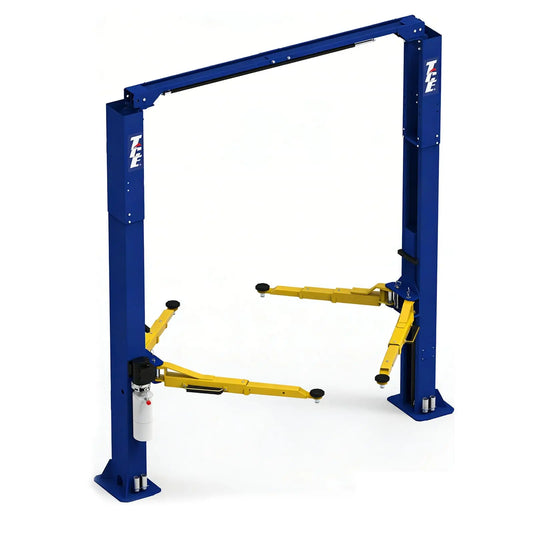
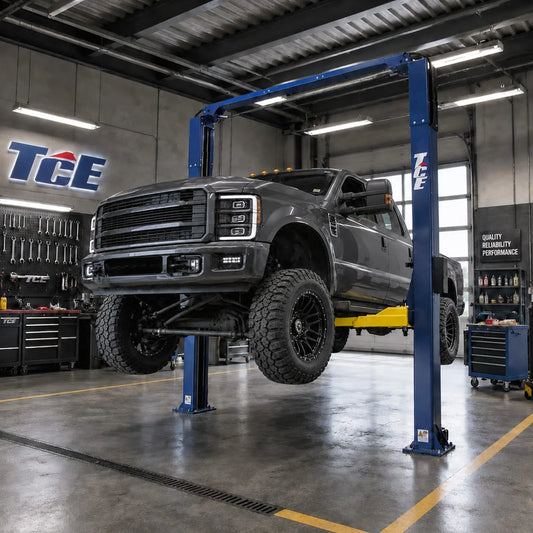
Designed for maximum shop versatility, the TCE 2-post lift features Triple Telescoping Arms allow for both symmetric and asymmetric positioning, offering an ultra-low lift pad height that accommodates everything from low-profile performance cars to heavy-duty pickup trucks.